Diwali and Lakshmi Puja in Maharashtra: Days, Food and Home Worship
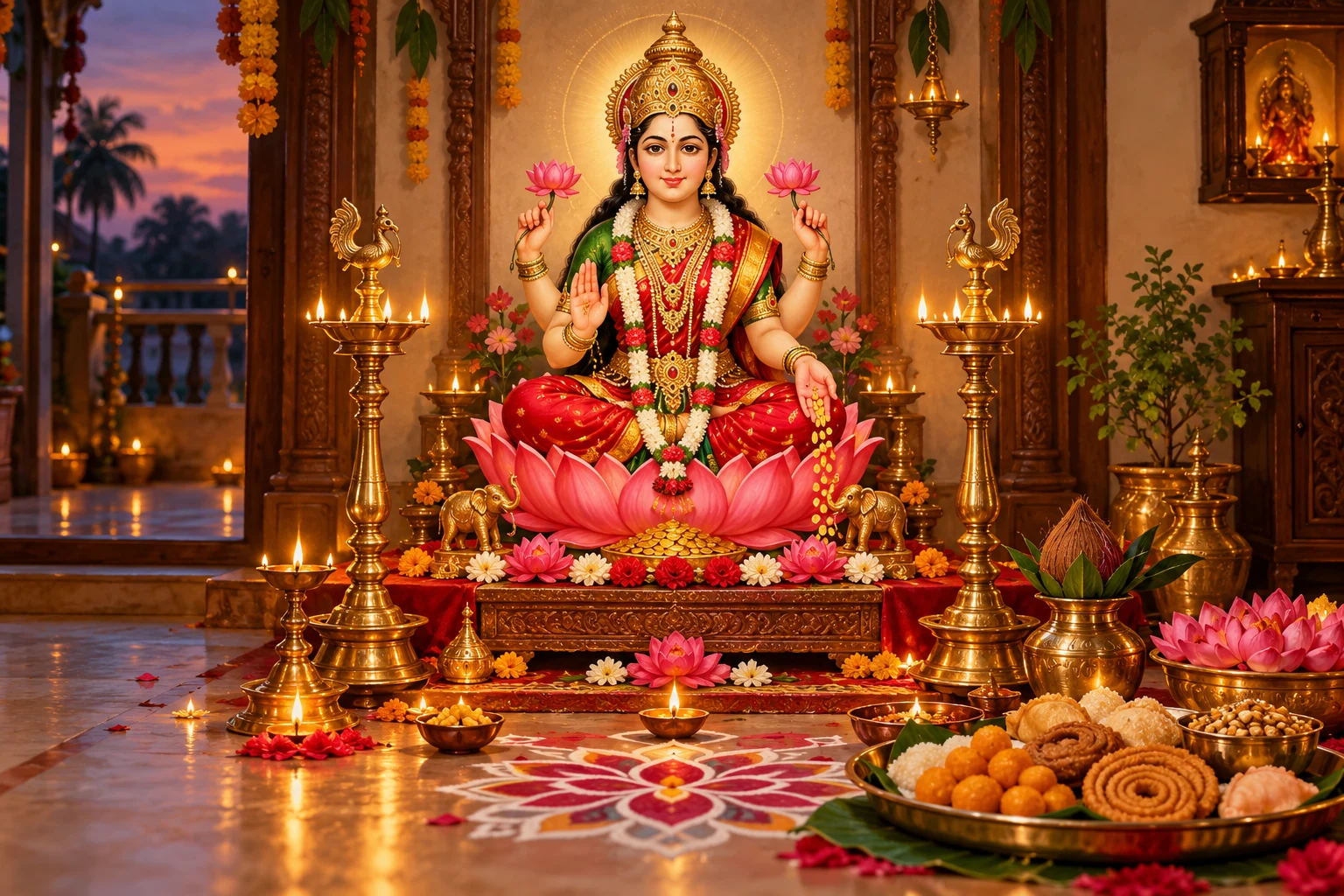
Diwali Lakshmi Puja is part of a sequence of observances in Maharashtra, rather than a single event that explains the whole festival. Vasubaras, Dhantrayodashi, Naraka Chaturdashi, Lakshmi Pujan, Padwa and Bhaubeej each carry their own place in family plans. A useful Diwali calendar keeps these names separate. It also leaves room for household traditions, such as preparing faral, arranging an early bath or visiting relatives on the day they observe.
The 2027 Diwali sequence
Our October 2027 calendar records Vasubaras on 26 October, Dhanteras on 27 October and Naraka Chaturdashi on 28 October. Lakshmi Puja is listed on Friday, 29 October, followed by Diwali Padwa on 30 October and Bhaubeej on 31 October. The record gives Lakshmi Puja a reference window of 6:05 PM to 8:36 PM. Confirm its suitability with the local Panchang before using it for worship; a printed window should retain its location and year.
Plan the days before shopping
Write the family’s visits and puja arrangements beside the date names. This prevents a relative’s Padwa invitation being mistaken for the main Lakshmi Pujan gathering. Decide which dishes will be prepared at home and which will be brought by guests. Check reusable lamps, serving containers and decorations before buying replacements. Set aside time for cleaning the worship area before cooking becomes busy. A shorter list of well-organised tasks is easier to manage than starting every traditional preparation on the same afternoon.
Arrange Lakshmi Pujan at home
Families may worship Lakshmi with Ganesha, lamps, flowers and their customary offerings. Ask the person leading the puja which objects and readings they require. Place the shrine where cloth, paper and electrical wires cannot fall across the lamps. Keep the offering plate separate from food being tasted in the kitchen. If account books or business-related items are included by family custom, protect them from oil and open flames. An online ritual list can be a reminder, but should not override the practice you have agreed to follow.
Naraka Chaturdashi and the early bath
The abhyanga snan and the use of utane are familiar parts of many Maharashtrian Diwali routines. Check the household’s own timing and preparations in advance. Keep bathing items, clean clothes and breakfast arrangements ready so that the morning does not become a search through shopping bags. Let family members decide what products suit them. A traditional preparation should not be advertised as a cure or as compulsory for everyone. Older people and children may need a simpler routine and more time.
Make faral easy to share
Chakli, chivda, karanji, shankarpali and laddoos are familiar names in Diwali faral. Recipes and combinations differ between homes. Label containers when snacks include nuts, sesame or dairy, and keep crisp foods away from moisture. If sending a box to relatives, include the preparation date and a simple ingredient note. Do not mix a freshly cooked item into a container of older leftovers. Plan a quantity that can be enjoyed and distributed, rather than treating a large number of dishes as a festival requirement.
Lamps, decorations and neighbourhood space
Keep lamps on stable surfaces where a sari edge, curtain or child’s sleeve cannot brush them. Leave stairways and shared corridors clear. Battery lighting can be useful where an open flame would be awkward. Discuss the timing of visitors and music with neighbours, especially in a shared building. A rangoli should not force people to step into traffic or block a doorway. Make cleaning part of the plan so that flowers, packaging and food containers do not remain in common areas after the celebration.
Is the puja window a visiting deadline?
A reference muhurat concerns the worship it names. It is not an instruction that every guest must arrive during that interval. Ask the host when visitors are welcome, particularly if the household wants an uninterrupted period for prayer before serving the meal.
Keep the family days distinct
Padwa and Bhaubeej can involve different visits, greetings and meals. Confirm those plans directly with relatives instead of inferring them from a generic holiday label. The festival sequence will need a new date check each year, even when household recipes stay the same. For context, see Maharashtra Tourism’s Diwali overview and our calendar PDF guide. The featured Lakshmi shrine is an AI-generated devotional painting and does not depict an actual home or temple.